Loading...
Serving Johnson City, TN and surrounding areas. (423) 672-1719
Clay soils and wet seasons can break a slab that was not built right. We pour foundations in Johnson City that stay level, pass inspection, and support your home for the long haul.
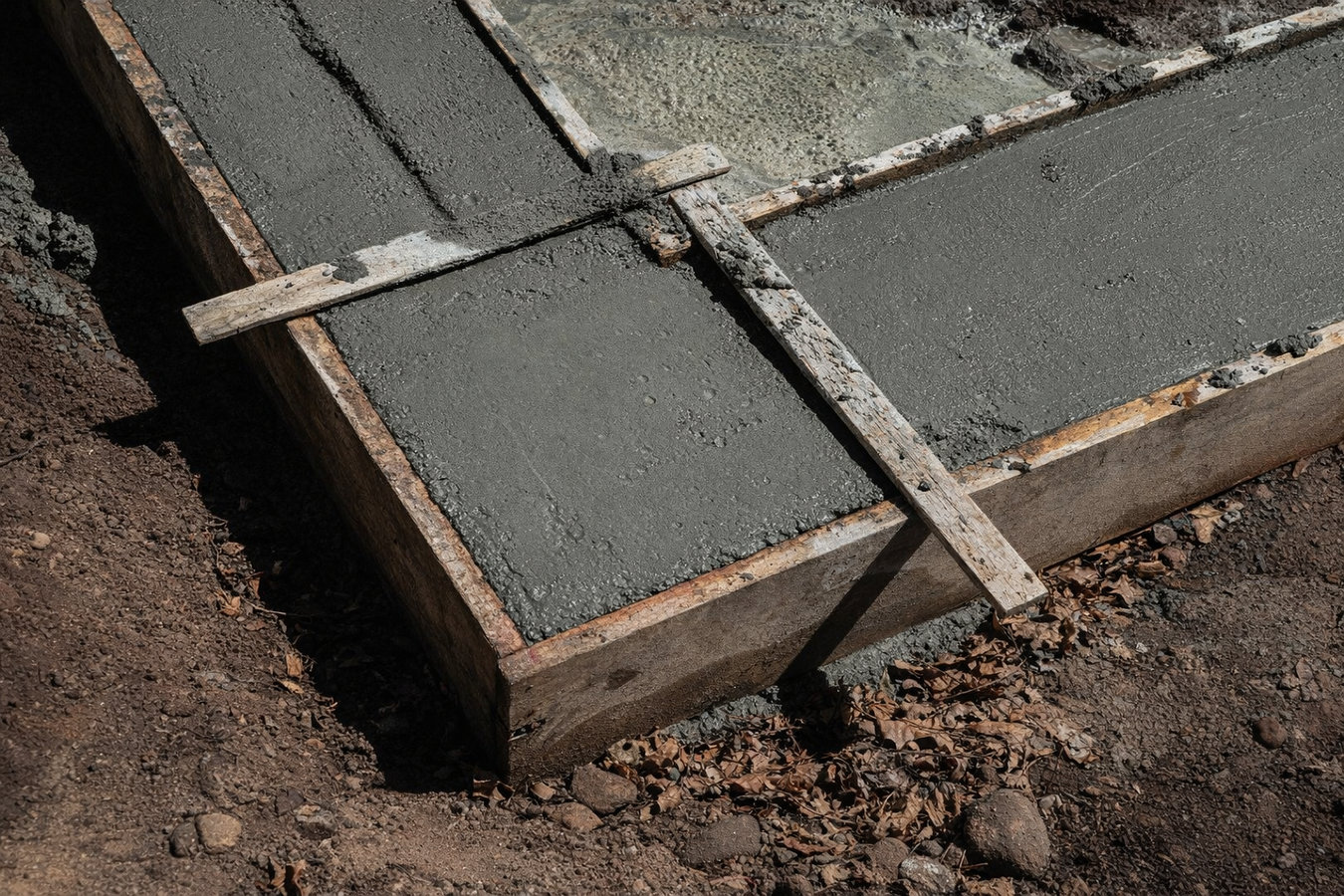
Slab foundation building in Johnson City means excavating and grading the site, laying compacted gravel, placing steel reinforcement, installing a vapor barrier, and pouring a single concrete slab that serves as both floor and structural base - most residential projects take one to two weeks from site prep through the end of the curing period.
This area sits in the Ridge and Valley region of East Tennessee, where clay-heavy soils expand when wet and shrink when dry. That ground movement is the number-one reason slabs crack and settle prematurely here. A foundation built without proper attention to base preparation and drainage is not going to behave the same way it would on flat, sandy ground further south. Johnson City homeowners and builders deserve a contractor who understands that difference before the first shovel goes in.
Slab work often connects directly to concrete footings - the thickened perimeter edges and interior beam pockets that carry the weight of walls down into stable ground. If your project includes both, we handle them together so the forming work, inspection schedule, and pour happen in a coordinated sequence.
Small surface cracks during curing are normal. But cracks wider than roughly a quarter inch, cracks that run in a stair-step pattern near walls, or cracks that appear to be growing from season to season are a different story. In Johnson City, these patterns often point to clay soil movement beneath the slab - something that will continue to get worse without attention.
When a slab shifts or settles unevenly, the walls and frames above it move with it. If doors that used to close smoothly now stick or swing open on their own, or if you can see light around a window frame that used to fit tight, the foundation movement may be behind it. This is a signal worth investigating rather than just adjusting the hardware.
In Johnson City's humid climate, a slab poured without a proper vapor barrier - or an older slab where the barrier has failed - can allow ground moisture to wick upward. You might notice this as a damp feeling on the floor, condensation under area rugs, or a musty smell at floor level. This is especially common in homes built before the 1990s, when moisture protection practices were less thorough.
The most straightforward reason to have a slab poured is that you are building a new structure from the ground up - a home, a garage, or an addition. Johnson City and the surrounding Washington County area have seen steady new construction growth, and getting on a contractor's calendar early in the planning process is increasingly important as crews fill up quickly in spring.
We build residential slab foundations for new homes, additions, garages, and accessory structures throughout Johnson City and the surrounding area. Every pour includes a compacted gravel base to create a stable, well-draining surface under the concrete, steel reinforcement - rebar or welded wire mesh - inside the slab to resist cracking and hold the structure together if the ground shifts, and a polyethylene vapor barrier to block ground moisture from wicking upward through the floor. The perimeter edges are poured thicker than the interior, forming the integrated footings that carry wall loads down into stable ground. That is not an upgrade - it is how a residential slab should be built. When a project also calls for separate beam pocket footings or pier footings, we coordinate with our concrete footings work so the forms, inspections, and pours happen in the right sequence.
We also handle replacement slabs when an existing foundation needs to come out - situations common in Johnson City's older neighborhoods, where homes built in the mid-20th century may have original foundations that do not meet current standards. After the old slab is removed, we prepare the site properly before anything new goes down. Once the foundation is in, we can extend the scope to interior work through our foundation installation services, which cover full basement and crawl space foundations for sites where a flat slab is not the right fit.
For homeowners and builders starting a new home or addition on a bare lot - full site prep, forming, pour, and inspections handled from start to finish.
For homeowners adding a detached garage or workshop - sized and reinforced for vehicle loads, with proper slope for drainage toward the door opening.
For homeowners adding a sunroom, enclosed porch, or backyard structure - poured to match grade and connect cleanly to the existing structure.
For homeowners removing an old or failing foundation and starting fresh - demolition, site preparation, and a new pour built to current standards.
Building a slab in this part of Tennessee is not the same as building one on flat farmland in the middle of the state. Johnson City sits at roughly 1,600 feet in the Appalachian Ridge and Valley province, and the geology here includes clay-heavy soils that expand and contract with moisture, limestone and shale substrate that can complicate excavation, and lots that are often sloped rather than flat. The city also averages around 44 inches of rain per year, spread across all four seasons, which means drainage design is not an afterthought - it is part of the foundation planning. A contractor who treats every job the same regardless of site conditions will eventually run into serious problems, and it will be your foundation that shows them.
Homeowners across the Johnson City area deal with these conditions every building season. In Bristol, TN, sloped lots along the ridge are particularly common and demand careful attention to how drainage is directed around a new slab. In Greeneville, TN, the agricultural soil profile introduces different base preparation requirements than you find closer to the city center. We have worked on sites across all of these areas and understand what the ground actually requires before concrete goes down.
We reach out within one business day to schedule a site visit - because your lot, its slope, and its soil determine the real cost. You will get a written estimate, not a phone guess.
We handle the building permit application with Johnson City's Building and Codes Department. You receive a copy before work begins. Permit processing typically takes a few business days to two weeks depending on current load.
The crew excavates, grades, and compacts a gravel base, then builds forms and places steel reinforcement. A city inspector reviews the work before any concrete is poured - this is required and protects you.
Concrete is poured and finished in a single day for most residential slabs. The slab then cures for at least a week before framing begins. A final inspection is scheduled before the next trade steps on the foundation.
We visit your site, assess the soil and grade, and give you a written quote - no obligation. Spring build slots go fast in Washington County.
(423) 672-1719We have poured foundations on sites from downtown Johnson City to the hillside lots in Bristol and the agricultural soils around Greeneville - 12 communities across the region, each with its own ground conditions. That field experience shapes how we assess every new site.
We apply for every required permit and schedule every required inspection through Johnson City Building and Codes. You receive documentation when the job is done - records that protect your home's value and your legal standing when you sell or refinance.
With Johnson City averaging around 44 inches of rain per year and summer humidity that stays high for months, vapor barriers and drainage design are non-negotiable on every slab we pour. We treat them as core requirements, not add-ons you pay extra for.
East Tennessee winters are unpredictable, and a contractor who is not prepared for a late-season freeze can leave you with a compromised pour. We monitor the forecast and protect fresh concrete when temperatures drop - because in this region, that is not an edge case, it is a regular part of the job.
Every credential above comes back to the same thing: a foundation built for Johnson City specifically - its soil, its weather, and its permit process - rather than a generic slab copied from a job in a different part of the state. That is the difference between a foundation you revisit and one you build on for decades.
Full basement and crawl space foundations for Johnson City sites where a slab-on-grade is not the right fit for the lot.
Learn morePier and beam footings that extend load-bearing support deep into stable ground below the frost line.
Learn moreSpring build slots in Washington County fill faster each year - call today to lock in your site visit and get on the schedule before the season books up.