Loading...
Serving Johnson City, TN and surrounding areas. (423) 672-1719
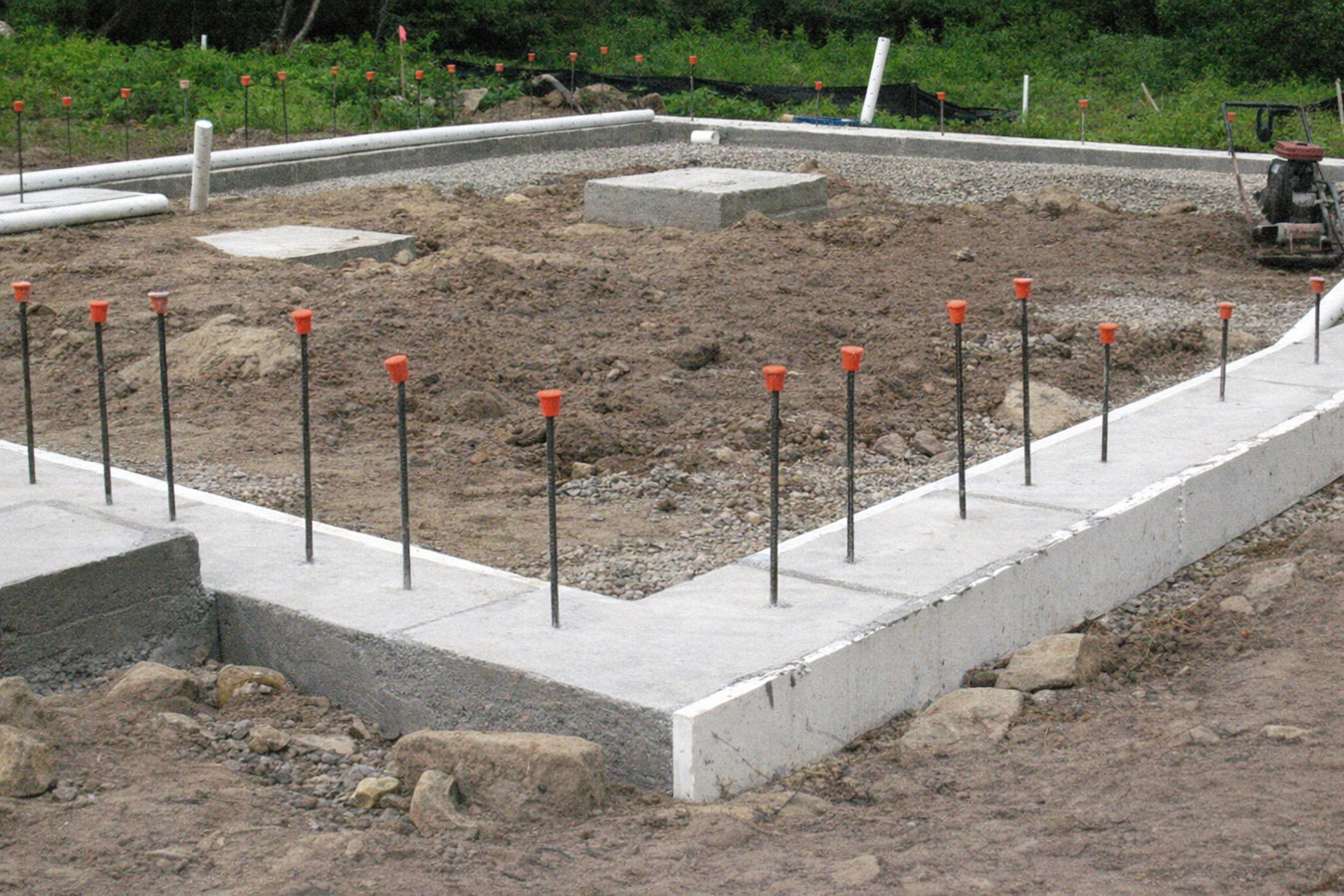
A leaning deck, sticking doors, or a crack spreading from a window corner - these are footing problems in disguise. We dig below the frost line, reinforce with steel, and pull the permit so your structure stays true through every Johnson City season.
Concrete footings in Johnson City provide the underground base that holds up decks, porches, room additions, garages, and retaining walls - most residential footing projects take one to three days to dig, form, and pour, with at least a week of curing time before framing can begin.
Think of a footing as the roots of whatever you are building. You never see it once the project is done, but it is what prevents the structure above from shifting when the ground moves underneath it. In Johnson City, that is not a theoretical concern. The city sits at roughly 1,600 feet in the Appalachian highlands, where the ground freezes and thaws multiple times each winter and the clay-heavy soil in lower-lying neighborhoods expands and contracts with the seasons. Footings that are not dug to the right depth or poured correctly for these conditions will eventually move - and when they do, everything above them moves with it.
Footing work is often the first phase of a larger project. If you are also planning to pour a full slab or foundation for a new structure, our foundation installation service covers the full scope from excavation through the finished pour.
When ground shifts beneath a structure, the stress concentrates first at the weakest points - usually the corners of door and window openings. If you see diagonal cracks spreading from those corners, especially after a wet winter or a dry summer, the footing below may have moved. In Johnson City, this pattern is tied to the clay soil cycle and tends to worsen rather than stabilize on its own.
If a structure that once sat flush against your home now has a visible gap, or tilts when you walk on it, the footings underneath may have shifted. In Johnson City clay soil, this can happen gradually over several years and then seem to accelerate. It is easier and cheaper to address early than after the structure has moved significantly.
When footings settle unevenly, the house frame shifts slightly and doors and windows are the first to show it. If you have noticed this getting worse over the past year or two - especially after a wet season - a shifting footing is a likely cause. Getting it looked at before it worsens is almost always cheaper than dealing with it once the movement becomes severe.
Any new structure attached to or near your home needs proper footings before anything else happens. Getting the footing scope worked out early affects your permit timeline, your overall project budget, and whether the rest of the work goes smoothly. Rushing or skipping this step is the most common reason additions and decks fail prematurely in this area.
We handle residential footing projects for decks, porches, room additions, garages, pergolas, and detached structures. Every job starts with a site visit to check the slope, soil conditions, and how deep we will need to dig - that information drives every other decision, including whether stepped footings are needed for your lot grade and how much steel reinforcement goes inside the concrete. We pull the required permit through Johnson City Development Services, which includes a city inspector checking the setup before any concrete is poured. That inspection is not an obstacle - it is an independent verification that the work is correct before it gets buried underground. If your project also involves a full slab or structure base, our foundation installation service covers that scope.
We also handle footing repairs and replacements on older Johnson City homes where the original footings were poured to standards that have since been updated. Many homes in the established neighborhoods around downtown and near East Tennessee State University were built in the mid-20th century, and their original footings sometimes need reinforcement or full replacement before a new addition or structure can connect to them. This work requires temporarily supporting the existing structure while the old footing is removed and replaced - it is more involved than a new installation, but it is a normal part of working on older homes in this area. For the structural support layer beneath any larger concrete project, our foundation installation service addresses the broader scope.
For homeowners adding a deck, sunroom, porch, or garage who need a properly permitted structural base before framing begins.
For homeowners on hillside or terraced lots where a flat footing layout would require excessive fill - stepped footings follow the grade and stay below frost depth throughout.
For owners of older Johnson City homes where original footings are failing or no longer adequate to support a planned addition or structural repair.
For homeowners building a detached garage, workshop, pergola, or outbuilding that needs a code-compliant footing base before any framing or masonry begins.
Johnson City sits at roughly 1,600 feet in the Appalachian highlands - higher than most of Tennessee. That elevation means temperatures dip below freezing regularly between November and March, sometimes for extended stretches. The ground freezes and thaws multiple times each winter, and that is exactly what pushes shallow footings out of position over time. Local contractors know the frost depth requirement for this area and should be building it into every job without being asked. A footing that is adequate in Memphis or Nashville is not adequate here.
A significant share of Johnson City homes were built before 1980, many of them in the established neighborhoods near downtown and around East Tennessee State University. These homes frequently have original footings that predate current depth and reinforcement standards, and the clay-heavy soil in lower-lying parts of the city has been working on those old footings for decades. It is not unusual to find footings on these properties that have already shifted or need repair before new work can connect to them. We serve customers throughout the area, including homeowners in Elizabethton and Morristown where the older housing stock and similar clay soil conditions create the same footing challenges we see regularly across Johnson City.
Tell us what you are building and roughly where on your property. We reply within one business day and schedule a free on-site visit before quoting anything. The slope, soil, and access at your specific lot all affect the cost - a phone estimate for footing work in this terrain is not worth much.
We look at the site, check the slope and soil, and confirm how deep we need to dig. You receive a written estimate that breaks out the major cost items so you can compare it clearly against any other quote - not just a single total number.
We file the permit application with Johnson City Development Services and call 811 - Tennessee's utility locating service - before any digging begins. Both steps are required by law and protect your property. You do not need to do either; we handle it.
The crew digs to the required depth, sets steel reinforcement, and prepares the forms. A city inspector checks the setup before we pour - that is a normal step, not a delay. After the pour, the footing cures for at least a week before framing begins, and continues gaining strength for about a month.
We visit your property, check the actual ground conditions, and give you a written quote - no phone estimates, no pressure, and we handle the permit from start to finish.
(423) 672-1719We pull every required permit through Johnson City Development Services and coordinate the pre-pour inspection. That inspector checking the work before it goes in the ground is your protection - it means the footing was verified correct before it was buried.
We know the frost depth requirements for Johnson City at its roughly 1,600-foot elevation and account for clay soil conditions across the different parts of the city. Both factors affect how deep we dig and how we prepare the base - and neither is optional in this area.
We serve 12 communities across the Tri-Cities region, from Johnson City and Elizabethton to Bristol and Abingdon, VA. Working across that range means we have seen the range of soil and slope conditions in this area - that experience informs every project, not just the ones in ideal conditions.
Steel rebar inside the footing helps it resist cracking if the ground shifts slightly or if the load above it changes over time. We include it as a standard practice, not as an upsell - because cutting that corner is exactly how a footing starts failing a few years after the job is done.
Footing work gets buried underground and never seen again - which means the quality of the work is entirely in the contractor's hands. We do the prep, the reinforcement, and the curing right the first time because there is no going back to fix it once the next phase of your project is built on top of it.
When an existing foundation has settled or shifted, raising it back to level before more damage spreads to the structure above.
Learn moreFull foundation scope for new construction - from excavation and waterproofing through the finished pour and inspection.
Learn moreSpring and fall contractor schedules in this area fill faster than most homeowners expect - reaching out now gives you real options on timing and keeps your project on track.