Loading...
Serving Johnson City, TN and surrounding areas. (423) 672-1719
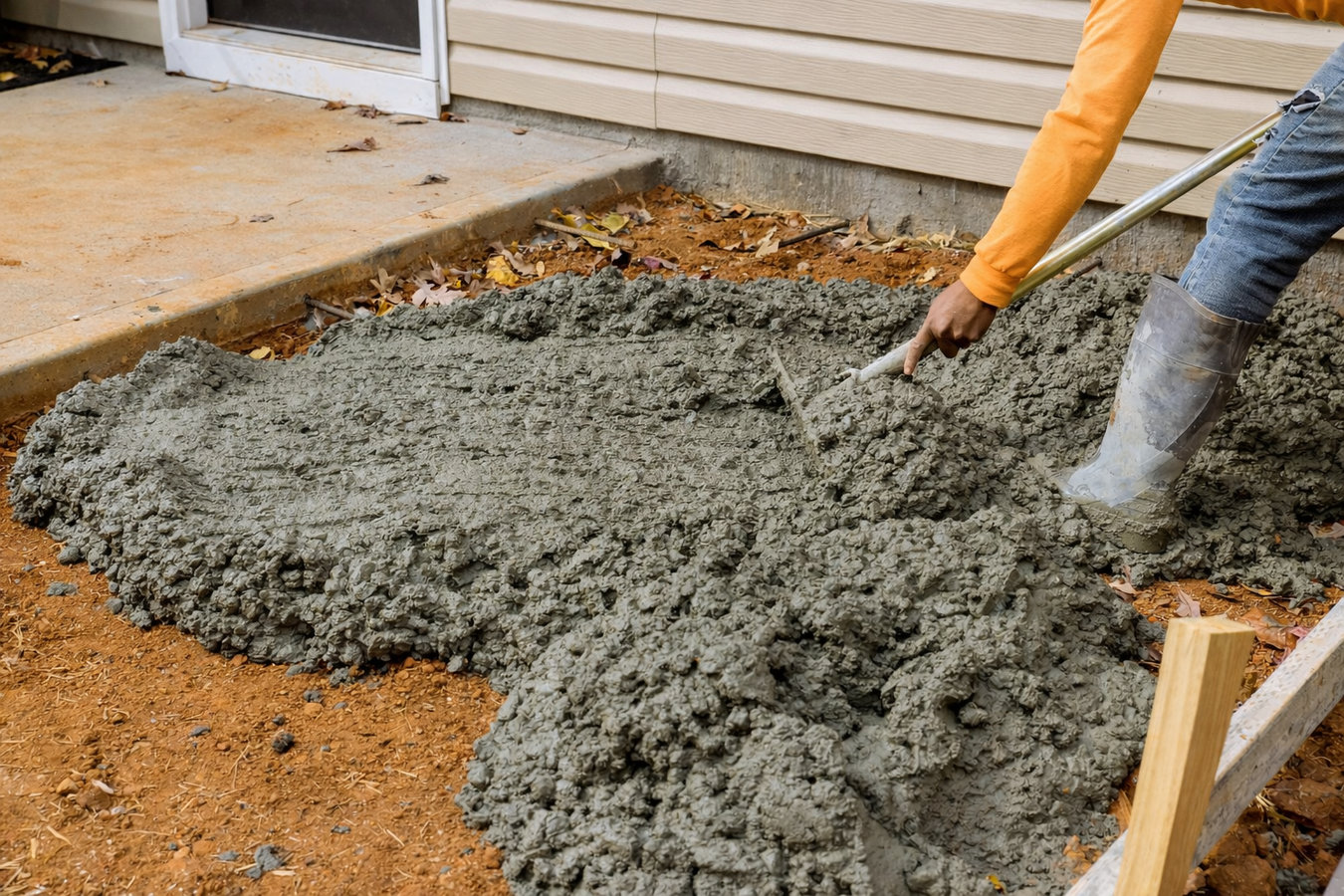
A sinking porch, a sloped walkway, or a driveway section that shifted over the winter - we lift sunken concrete back to level without tearing it out, in most cases in a single day.
Foundation raising in Johnson City lifts sunken concrete slabs back to their original position by pumping material beneath the slab through small drilled holes - most residential jobs are completed in a single day, and you can walk on the surface the same afternoon.
When a concrete slab sinks, the slab itself is often still in good shape. The problem is the soil beneath it. Johnson City sits at roughly 1,600 feet elevation in the Appalachian highlands, where the ground freezes and thaws multiple times each winter and the clay-heavy soil in lower-lying neighborhoods expands and contracts with every wet season and dry spell. That constant movement gradually erodes the base beneath concrete, leaving voids that allow the slab to settle. Foundation raising fills those voids and lifts the concrete back to where it belongs - no jackhammers, no full replacement, and far less disruption than most homeowners expect.
Foundation raising works best when the slab is structurally sound but the soil has moved beneath it. If the concrete is badly deteriorated or broken into many pieces, it may be time to consider a full replacement. For projects that involve a new base from scratch, our slab foundation building service covers new pours from the ground up.
When a door that used to swing freely now drags on the floor, or a window feels jammed in its frame, the slab or foundation beneath may have shifted. This is one of the earliest and most noticeable signs that something has changed at the foundation level. In Johnson City, it often appears after a particularly wet spring or dry summer, when the clay soil has swelled or contracted significantly.
Walk around the perimeter of your home and look where the concrete meets the house or where a porch step meets the main slab. A gap that was not there before - even a small one - means the concrete has moved downward relative to the structure. In Johnson City's older neighborhoods, this separation is common and is usually fixable with raising rather than full replacement.
If a room feels like it tilts slightly, or a ball placed on the floor rolls on its own, the slab beneath may have settled unevenly. This is especially common in homes built on fill soil, which is found in many parts of Johnson City where lots were graded during development. It tends to get more noticeable over time and should not be ignored.
If water sits against your home's foundation or in low spots on your patio or driveway after rain, it is likely working its way under the slab and eroding the soil beneath it. Johnson City's heavy spring rains make this a particularly common issue. Catching it early is what prevents a small settlement from turning into a much larger repair.
We use two methods for foundation raising in Johnson City, and we help homeowners choose the right one for their situation before any work begins. Mudjacking is the traditional approach - a cement-and-soil slurry is pumped beneath the slab to fill the void and lift the concrete back to level. It has been used for decades, costs less than foam injection, and works well for most residential situations. For homeowners on Johnson City's clay-heavy soil where future movement is a concern, polyurethane foam injection is often the better choice. The foam is lighter than the mudjacking slurry, which means less additional load on the soil below, and it cures faster so you can use the area sooner. We explain both options during the site visit so you can decide with full information - not guesswork. For slabs that are too deteriorated to lift, we can assess whether a new pour is the right path through our slab foundation building service.
Foundation raising is also a smart option before installing new concrete near an existing settled area. If part of your driveway has sunk, raising it before adding an adjacent section prevents uneven joints and makes the finished result look right. For cases where the existing concrete has cracked badly and needs to be removed before new work can begin, our concrete cutting service handles the controlled removal cleanly and without damaging surrounding areas.
For homeowners who want a proven, cost-effective solution for sunken driveways, porches, or patios where ongoing soil movement is not a primary concern.
For homeowners on clay-heavy soil or where a lighter material is preferred - foam cures faster, adds less weight, and is a good fit for slabs near structures.
For homeowners with one or two sections of a concrete driveway that have dropped below the surrounding slabs, creating a trip hazard or drainage problem.
For homeowners whose front porch, back patio, or walkway has settled away from the house entry, creating gaps, tilted surfaces, or a tripping hazard.
Johnson City's combination of climate and soil makes slab settlement more common here than in many other parts of Tennessee. The city sits at roughly 1,600 feet in the Appalachian highlands, which means more freeze-thaw cycles each winter than lower-elevation cities like Nashville or Knoxville. Every time the ground freezes and thaws, it shifts slightly - and over years, that movement creates voids beneath concrete slabs. Add in the clay-heavy soil throughout much of Washington County, which expands when wet and contracts when dry, and you have a situation where most slabs will eventually need attention if they are not properly maintained. A large share of Johnson City's homes were built before modern drainage and soil-preparation standards were in place, which means many older porches, driveways, and patios are already past due.
We serve homeowners across the area, including in Elizabethton where hillside properties make drainage management especially important, and in Bristol where a mix of older homes and newer subdivisions means we handle both mid-century concrete and more recent pours. Wherever your home is, the clay soil and seasonal weather are the same story - and we know how to account for both when planning the lift.
When you call, describe what you are seeing in plain terms - where the slab is, how long it has been happening, and whether you have noticed any cracks or water nearby. We respond within one business day and schedule a free on-site estimate at your convenience. You do not need to know the technical details before you call.
We walk the affected area, measure how much the slab has dropped, and look for what caused the settling - poor drainage, nearby tree roots, or soil erosion. We explain what we found and give you a written estimate before any work begins. This is also when we recommend which lifting method fits your situation.
Before the work day, clear the area around the slab - move patio furniture, potted plants, and vehicles out of the way. If the work is near a door or entry, make sure the path is accessible. We will let you know in advance if there is anything specific to your job that needs to be done beforehand.
The crew drills small holes through the slab, pumps material beneath to fill the void and lift the concrete, then patches every hole before leaving. Most jobs take two to four hours. You can walk on the surface the same day. We also tell you what to watch for going forward - including whether drainage improvements would help protect the repair.
Written estimate before any work starts. Licensed and insured. We respond within one business day.
(423) 672-1719Every estimate breaks down labor, materials, and any drainage recommendations separately so you know exactly what you are agreeing to before work begins. Johnson City homeowners often tell us they were surprised by how affordable raising is compared to a full slab replacement.
A slab that gets lifted without understanding why it sank will likely sink again. We identify the cause - whether that is clay soil movement, poor drainage grading, or tree root activity - and tell you honestly what needs to change alongside the lift to protect the result long-term.
We work across Johnson City and 11 surrounding communities - from Elizabethton and Kingsport to Bristol, Greeneville, and beyond. Local crews mean faster scheduling and no travel surcharges added to your invoice.
Tennessee requires concrete contractors to hold a valid state license for most jobs above a certain dollar threshold. You can verify license status through the Tennessee Department of Commerce and Insurance. We reply to every inquiry within one business day and give you a confirmed start date once the estimate is accepted.
Foundation raising in Johnson City is not a one-size-fits-all job. The clay soil, the freeze-thaw winters, and the drainage patterns on your specific lot all shape how the work gets done. We show up prepared for those details - not surprised by them.
When a slab is too deteriorated to lift, controlled cutting removes the damaged section cleanly so new concrete can be poured in its place.
Learn moreFor situations where the existing concrete cannot be saved and a full new slab needs to be poured from excavation through the finished surface.
Learn moreJohnson City's winters can turn a small sinking problem into a bigger one. Lock in your estimate now while the ground is still stable and contractors are available.